







Everything you need to know about horse clay: why, how, when and which one to choose? 🧡
Caring for your horse also means knowing how to incorporate natural and effective treatments into their routine. One of them: clay application. This treatment is a true essential for supporting recovery, relieving tension and improving your horse's comfort.
So, what is clay used for in horses? When and how should you apply it? Which clay should you choose? We explain everything!
What is clay used for in horses? 🧐
Clay is a natural treatment with multiple benefits. Rich in minerals, it acts as a local anti-inflammatory, promotes muscular and tendon recovery, and helps drain toxins.
It is ideal:
- after an intense session or a competition
- as a preventive measure or to treat minor inflammation
- to support recovery in sensitive areas: tendons, back, hooves, hocks, etc.
Where to apply the clay? ✨
Almost anywhere, except on mucous membranes!
It can be applied to:
- The limbs (tendons, fetlocks, hocks)
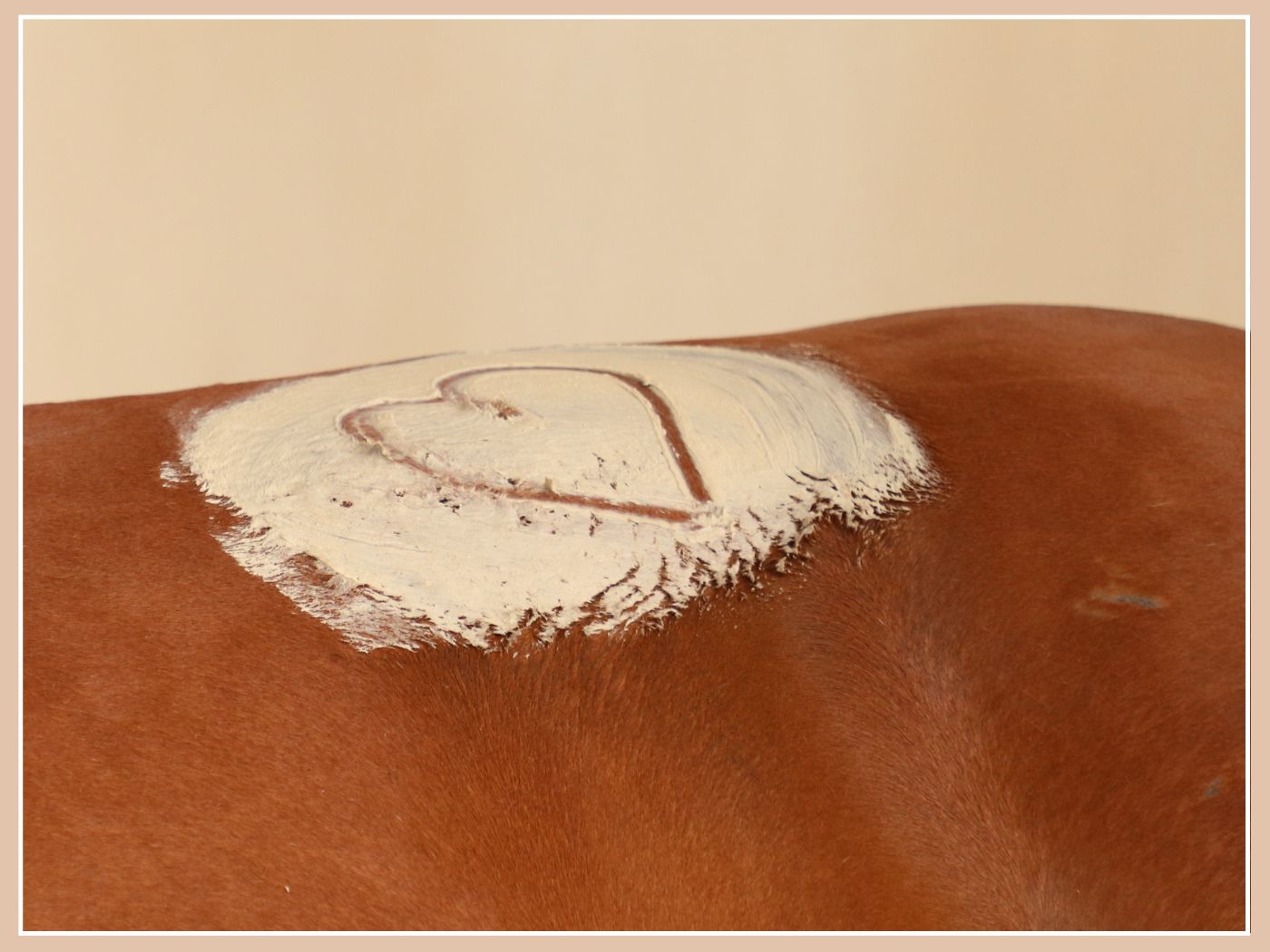
- The back (after an intense jumping or dressage session)
- The hooves (in cases of a thin sole or sensitive frog)
- Windgalls (with a suitable clay — see below)
Simply choose the right clay for the area and the need.
How to apply and remove the clay? 🤔
Applying the clay
- Apply a first thin layer to open the muscle tissue 🔥
- Massage the clay into the area to help it penetrate 🧡
- Smooth the clay after massaging 💪
Application time
Leave on for between 2 and 24 hours maximum. You can use rest bandages with non-occlusive materials (no clingfilm, for example). Clay draws out toxins and brings them to the surface, so it's important not to seal the area 😉 You can also choose to leave it exposed to the air.
Removing the clay
- You can use a hard brush such as a dandy brush or a Magic Brush.
- Elodie's tip: remove the clay directly with water, for a hydrotherapy-like effect and to extend the treatment.
How often should you use clay? 📆
You can use it:
- Every day during intense periods (competitions, regular training)
- 1 to 2 times per week for maintenance or recovery
Listen to your horse and adjust the frequency according to their needs.
Which Alodis Care clay should you choose? 🌿
Product focus: Gun Tare - Clay for windgalls 🎯
Does your horse have windgalls — those small fluid build-ups around the tendons? The targeted treatment you need is the Gun Tare by Alodis Care.
🔸 Based on tropical basil essential oil, this clay:
- Fights inflammation, windgalls and swelling
- Has a cooling effect
- Has powerful decongesting properties
It applies easily to the targeted area, like any clay, and can be left on until fully dry for 2 to 24 hours.
A closer look at Alodis Care's other targeted clays 🧴
In addition to the Gun Tare, the brand offers clays tailored to specific areas:
1. Hoof Clay 🔥
For the hooves, in cases of a sensitive sole or soft frog. Apply and leave to work — the poultice comes away naturally.
2. Tendi Flash 💪
Natural clay enriched with plants, ideal for supporting your horse's sports recovery after exercise.
3. Sensitive Clay 🧡
Formulated for horses with sensitive skin, with a gentle, soothing and draining action that is 100% natural.
4. Must Have 🤩
Relaxing clay for horses, enriched with plants, ideal for relaxing muscles, draining and supporting recovery after exercise.

📦 Discover the full range here: All Alodis Care clays
In summary: why incorporate clay into your horse's routine?
✔️ It's a natural treatment, easy to use and highly effective
✔️ There is a clay for every need: muscles, tendons, windgalls, hooves, etc.
✔️ It's one of the essentials for improving comfort, recovery and performance
Ready to become a clay application pro? 👑
Don't miss these articles
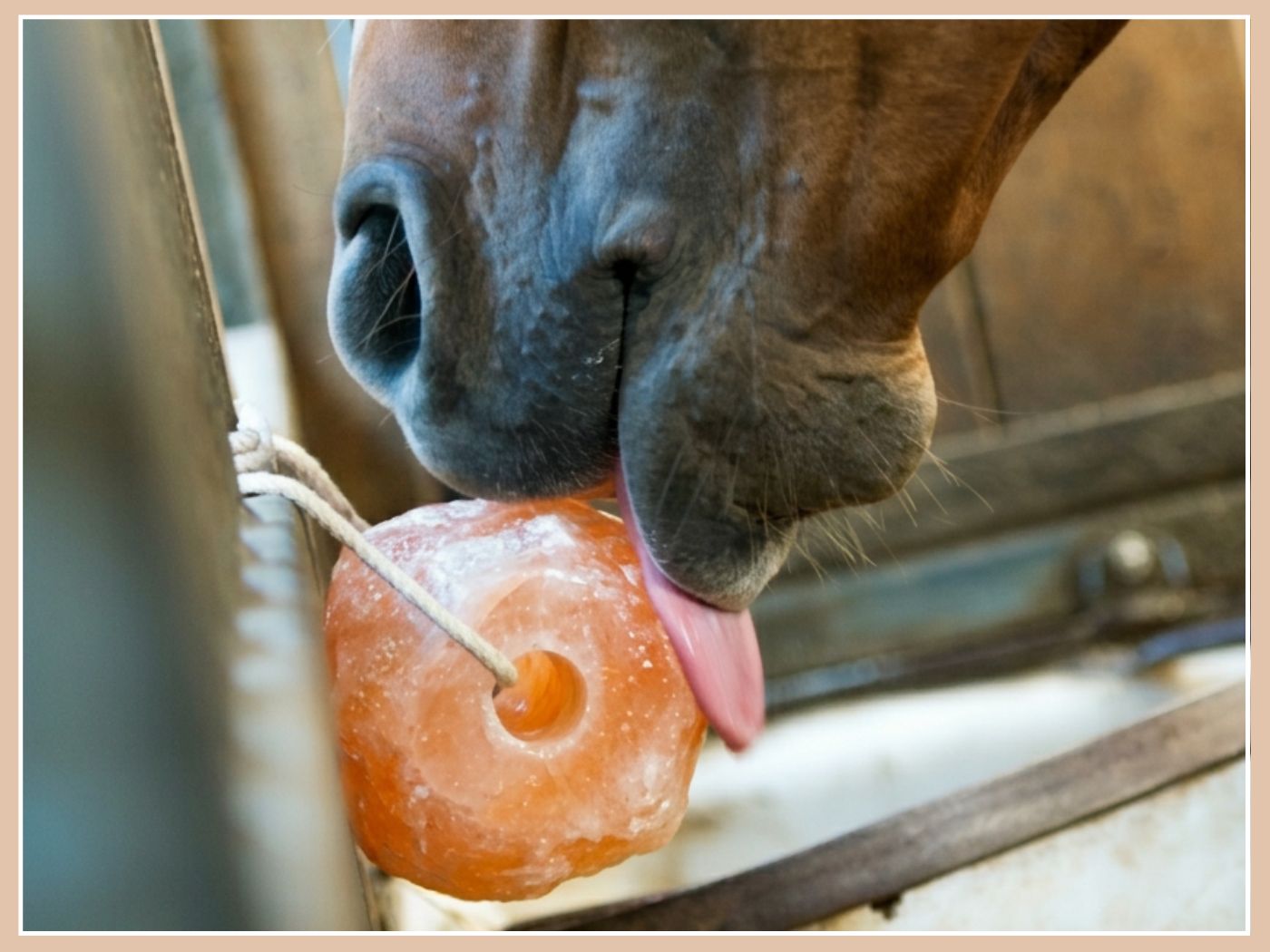
Salt is an essential nutrient for horses. It supports their overall balance by promoting health, stimulating appetite, encouraging hydration especially in hot weather, and aiding digestion and heal...

Curious about the Back On Track brand? From textile innovation to the wellbeing of both horse and rider, let us introduce you to its concept, its bestselling products, and the reasons why so many r...


