













Salt licks: what are they for and which one should you choose? 🤔
Salt licks are one of those items you see everywhere in a horse's environment… yet their purpose isn't always fully understood. What are they really for? Are they essential? And how do you choose the right one for your horse? We explain everything here, including other ways to supplement your horse's mineral intake if a salt lick isn't their thing 🙈
What is a salt lick for? 🤔
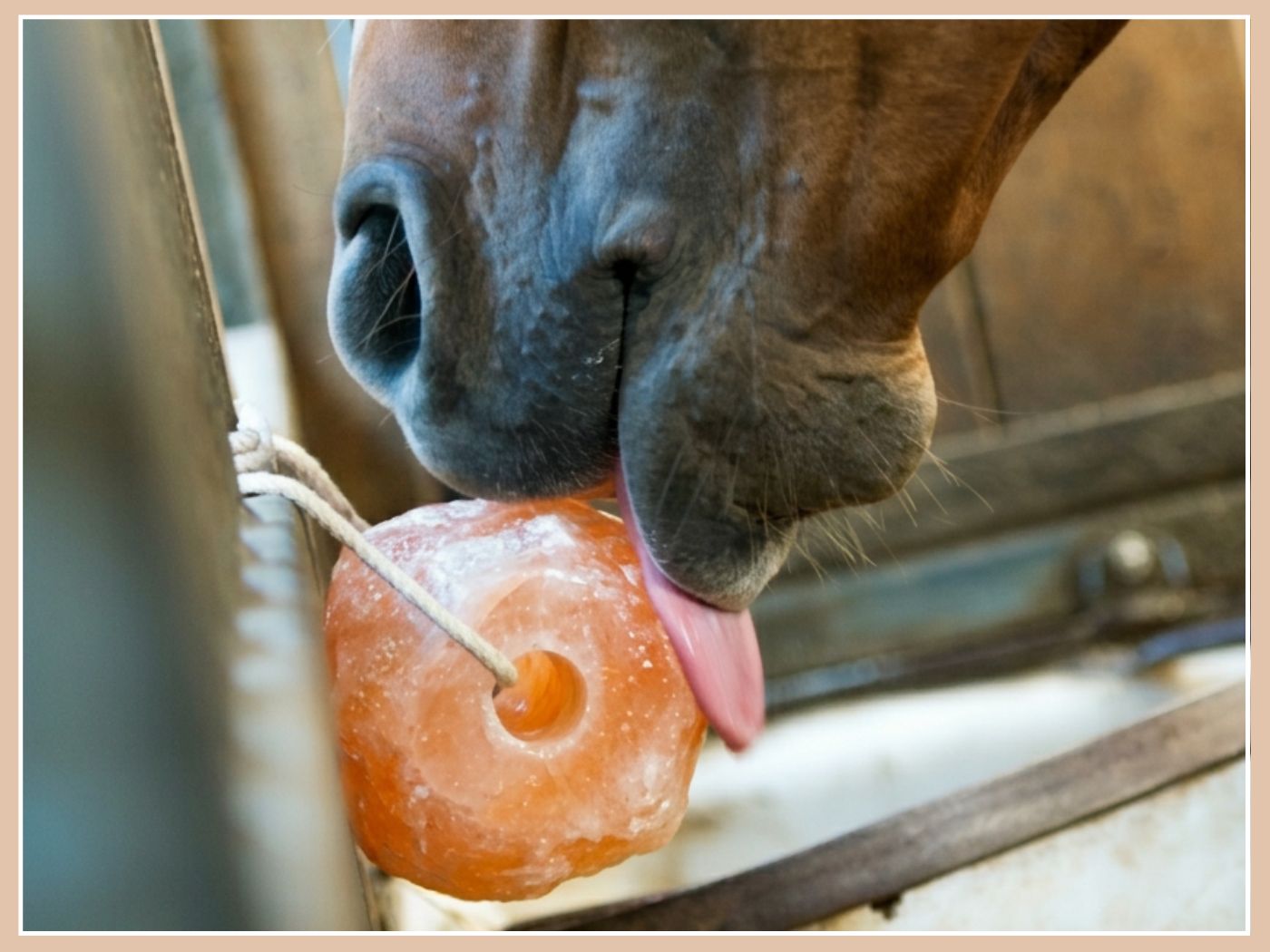
The main purpose of salt licks is to provide your horse with essential minerals, particularly sodium. Salt (sodium chloride) is something the horse cannot produce naturally.
Giving your horse access to salt offers several key benefits:
- Sodium intake is essential for your horse's health: these minerals play a role in many vital functions, including nerve transmission, muscle contraction and fluid balance. Your horse simply cannot do without it.
- Salt stimulates appetite: if your horse tends to be a bit unenthusiastic about their feed, access to a salt lick can help rekindle their interest in meals.
- It encourages hydration: during hot weather, some horses drink less than they need. Salt naturally encourages them to drink more, helping to prevent the risk of dehydration.
- It supports digestion: salt plays a role in the healthy functioning of the digestive system and the maintenance of a balanced gut flora — a real bonus given how sensitive horses' digestion can be.
That said, as with any supplement, moderation is key! In general, horses are good at self-regulating and will consume what they need (around 50g of salt lick per day for a horse in work). But if you notice excessive or unusual consumption, it's best to consult your vet to rule out any deficiency or compulsive behaviour 😉
The different types of salt licks ✨
Salt licks come in several types, each with a different composition. Here's an overview to help you choose based on your horse's needs:
The white salt lick (pure salt)
The simplest option. Made up essentially of sodium chloride, it provides pure salt only, with no additional minerals. It's ideal for horses that already receive a well-balanced diet or supplements containing other trace elements.
✔️ Ideal for: horses at pasture, hardy ponies, or horses fed complete rations

The Himalayan pink salt lick
Very popular, this lick is natural and slightly richer than the white one. In addition to sodium, it contains trace elements such as iron, potassium, magnesium, zinc and copper. Its hardness makes it more difficult to gnaw, which helps prevent excessive consumption.
✔️ Ideal for: horses in moderate to intense work, or living outdoors year-round

Salt licks
This is a step up. These licks are specially formulated to cover mineral needs and complementary health conditions, such as the Natural'Rock with anti-inflammatory and antioxidant properties for the Top, digestive comfort with the Disgest or locomotor comfort with the Moov.

✔️ Ideal for: horses in work, horses with deficiencies, broodmares, young growing horses
Some are even flavoured to encourage licking — such as Likits, available in flavours like apple, cherry, banana, raspberry, carrot and more 🔥
How to use a salt lick?
Place the salt lick where your horse can access it freely, whether in the stable or at pasture. It can be hung with a rope or mounted on a wall bracket. It's important to keep it protected from moisture so it doesn't dissolve too quickly — and keep an eye on your horse to make sure they're not consuming it excessively 😉

When salt licks aren't enough: other sources of minerals
While a salt lick provides a good foundation, it doesn't always cover all of a horse's mineral needs — especially during intense exercise, growth, gestation, or when grazing on mineral-deficient land. Here are other ways to supplement your horse's mineral intake:
Powdered or granulated mineral supplements
Added directly to the daily ration, they are generally very complete and allow for precise and tailored supplementation. Some are formulated for specific situations: senior horses, stressed horses, horses at rest, or in intensive work.
✔️ The advantage: you have full control over the quantities given
❗️ The downside: some horses can be fussy about the taste
Liquid supplements
Easy to administer, they are quickly absorbed by the body. They are often used as a course to support the body during a specific period: change of season, fatigue, competitions, etc.
✔️ Ideal for mineral, magnesium or electrolyte courses
🔥 Our favourite: Ravene - Nutriforme liquid muscle supplement
Electrolytes
Essential after heavy sweating (heat, transport, competitions), they help replenish losses of sodium, potassium, calcium, chloride and magnesium. Unlike a salt lick, they act more quickly.
✔️ To be given after exercise or during intense heat
Enriched mashes
Some mashes already include additional minerals and vitamins. They are particularly useful in winter or during dietary transitions, while also supporting digestive comfort.
💕 Our favourite: ESC Laboratoire - Mash Phytomash hydration and recovery
A salt lick is a simple, affordable and highly useful accessory for your horse's wellbeing. It doesn't replace a balanced diet or a well-thought-out supplementation plan, but it does contribute to maintaining good sodium levels and can support overall mineral balance.
Always adapt the intake to your horse's actual needs, taking into account their lifestyle, age, diet and level of activity.
Don't miss these articles

Owning a horse also means dealing with the little everyday bumps and scrapes! 🙈 It's not always easy to know what to have on hand for every situation... So today, we've put together a handy list to...
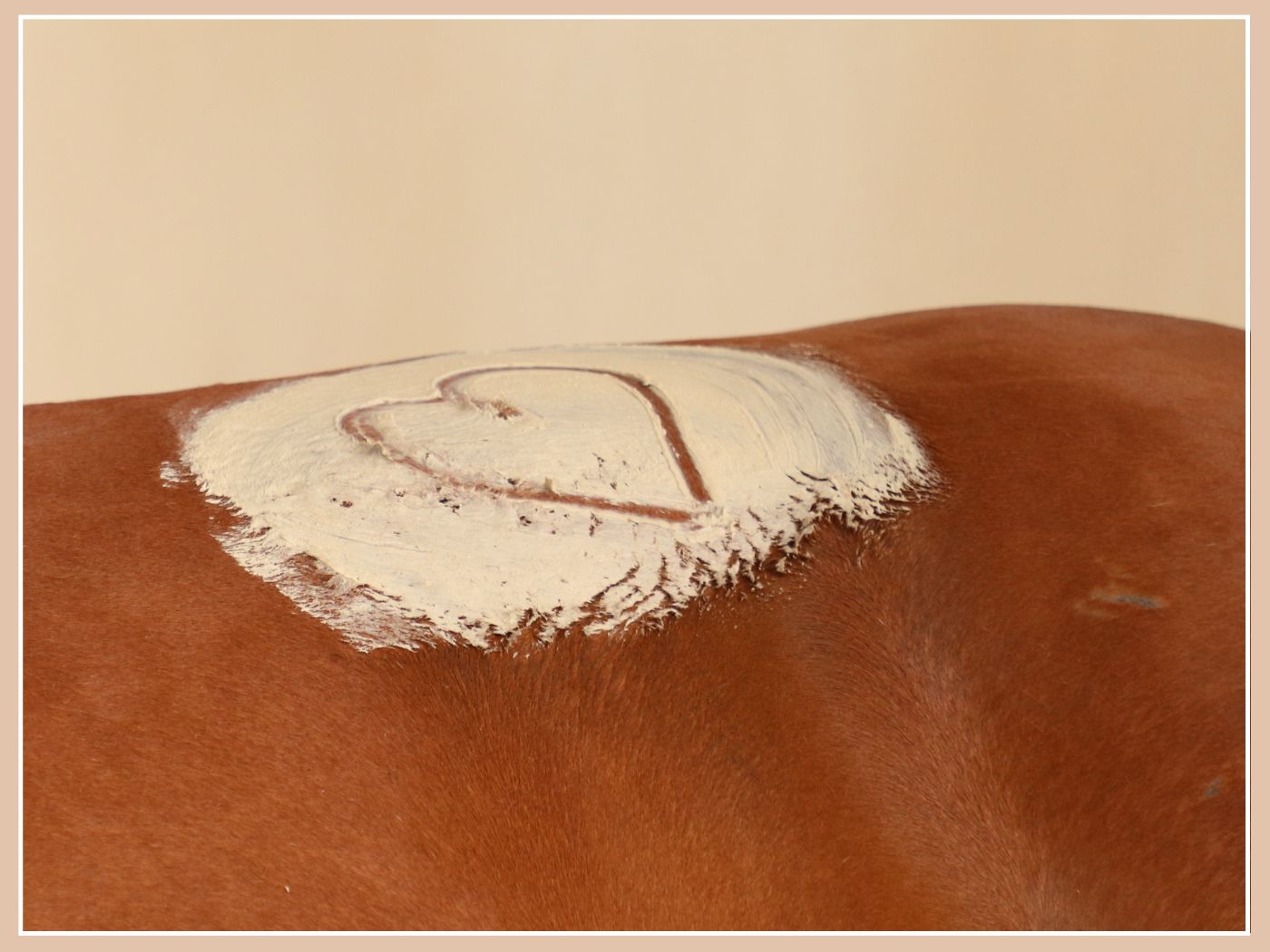
Clay is an essential part of any horse care routine. Used for generations for its natural properties, it soothes, regenerates, and supports muscles and tendons after exercise. But which clay should...


