




Strengthening your horse's back 💪🔥
Looking to strengthen your horse's back? You've come to the right place! At OHLALA, we know that well-being and performance go hand in hand. A strong, well-supported back gives your horse greater comfort under saddle, better posture, and reduces the risk of pain. 😉
In this article, we explain why building back strength matters, how to assess your horse's musculature, which exercises to introduce, and some practical tips to incorporate this work into your routine!
Why build your horse's back muscles?
First, let's define the horse's back, or "topline". It runs from the withers to the croup and serves as the primary support for the saddle and rider.
A well-developed dorsal chain enhances impulsion and back carriage, while contributing to the horse's overall health.
Conversely, a weak back can cause pain, a hollow along the spine, and muscular compensations that may affect locomotion and balance.
At OHLALA, we advocate a technical and horse-centred approach: a well-muscled back makes every session more comfortable for the horse while enhancing his performance.
How to assess your horse's back?
Before starting the exercises:
- Observe the topline: is the back hollow, or are the muscles well-developed?
- Run your hands along the spine: are the muscles firm and smooth?
-
Observe the horse's attitude at work: a low, rounded posture promotes back strengthening
Maxime Livio's tips:
To build a horse's muscles, it's essential that he works in active tension. The horse should reach forward with his nose, almost seeking contact with the bit at first. This tension must travel from the neck all the way to the tail 😉
Be careful not to focus only on the forehand: contact and self-carriage come first and foremost from forward movement and hindquarter engagement 🔥
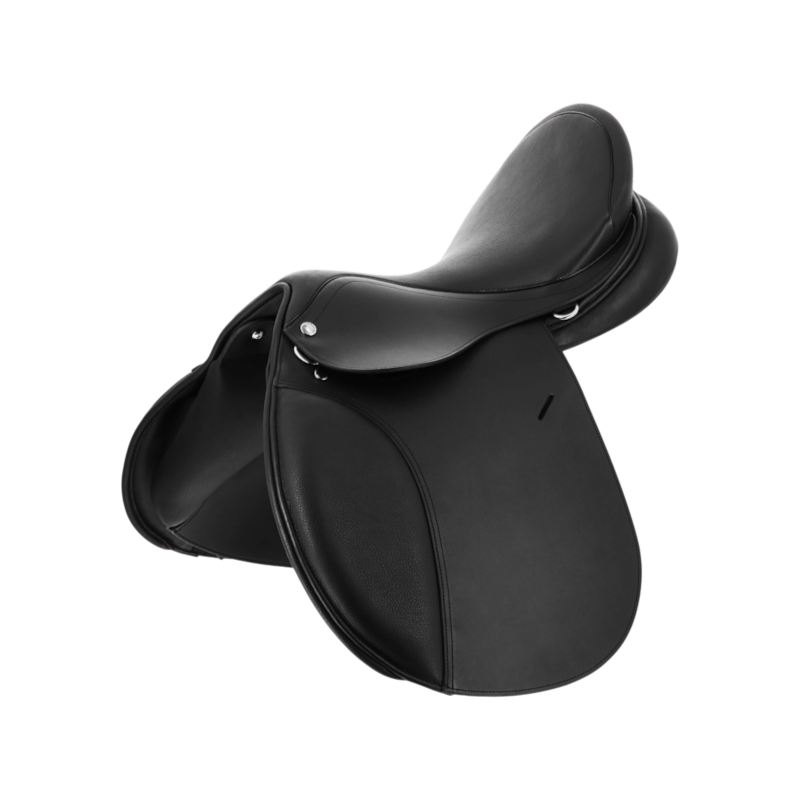
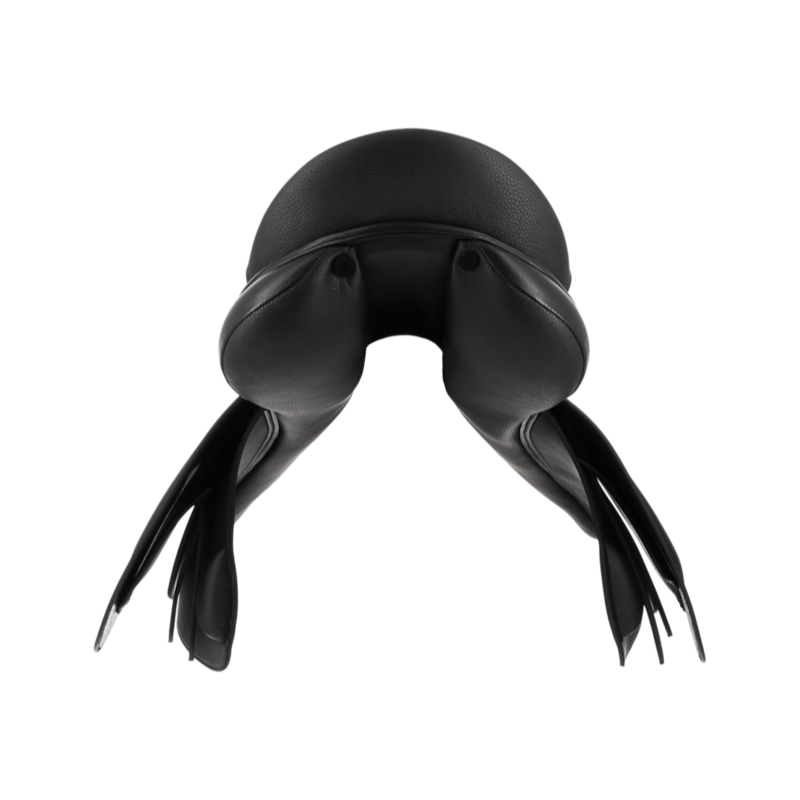
Make sure your horse has well-fitting equipment (bridle and saddle) so he can move as comfortably as possible. You can also help him find a relaxed way of going with a bit suited to his mouth and way of going.
To correctly engage the back, always keep in mind this active tension, as well as the horse's straightness. Straightness allows the horse to work his back optimally and engage his hindquarters correctly, and above all to develop the most symmetrical work and musculature possible.
Discover all of Maxime Livio's tips in this video ✨
Effective exercises to build your horse's back muscles
1. Long and low ("down and round")
Lowering the neck while maintaining impulsion allows you to engage both the back and abdominal muscles simultaneously, promoting topline strengthening. Whether on the lunge or ridden, encourage the horse to stretch the neck and reach the nose toward the ground, while remaining carried by the hindquarters, to encourage a harmonious back carriage.
2. Ground poles / cavalettis
Ground poles are an excellent tool for a variety of exercises aimed at strengthening the back muscles. Likewise, cavalettis offer effective stimulation for gymnastic work, allowing the horse to engage his topline and develop suppleness and range of motion.
Bounce fences also contribute to back muscle development. By chaining small obstacles together, the horse improves its coordination, balance, and back mobility, while strengthening the hindquarters and impulsion.
3. Transitions and rein-back
Trot/walk/canter transitions and the rein-back specifically target the back and abdominal muscles, while improving the horse's coordination and balance.
In practice:
-
Incorporate precise, regular transitions into your sessions to encourage responsiveness and correct posture.
-
The rein-back, whether in-hand or ridden, activates hindquarter engagement and encourages the lifting of the back, thereby strengthening the topline and core support.
4. Hill work / varied terrain
Work on sloped terrain encourages an active back carriage and strengthens the hindquarters, engaging the lumbar muscles and hind legs. It's an effective exercise year-round, contributing to the horse's stability, propulsion, and morale, while adding stimulating variety to his training.
Conclusion
Building your horse's back muscles is about combining technique, respect, and well-being. Through exercises such as long and low work, poles, transitions, and hill work, you'll strengthen your horse's topline while improving his posture and long-term soundness.
At OHLALA, we support you in this thoughtful and technical approach so that your horse feels good, comfortable, and at his best.
Don't miss these articles

The Headless Horseman is a mythical ghost, born from Washington Irving's short story The Legend of Sleepy Hollow. In France, this legend continues to captivate through books, comics and series, ble...

We all love sheepskin! 🖤 At OHLALA, we're completely obsessed with sheepskin equipment… and we know you are too! Headcollars, girths, pads or leg protections: soft, chic and incredibly comfortable,...


