









Everything you need to know about digestive massage for horses
Benefits, key areas and effective techniques
Digestive well-being is a fundamental pillar of a horse's health. Bloating, discomfort, low energy or unusual behavior can sometimes be linked to disrupted digestion 😕
In this article, we explain what digestive massage is for, when to use it, which areas to work on and how to perform it correctly, in complete safety 🤩
What is digestive massage in horses? 🧐
Digestive massage is a technique designed to stimulate the digestive system, promote intestinal transit and help the horse release internal tension.
It does not replace veterinary care or medical treatment, but fits into a holistic approach to well-being, alongside:
-
diet,
-
hydration,
-
stress management,
-
lifestyle.
👉 It is particularly used as a preventive measure or as a complement, for sensitive, stressed horses or those prone to mild digestive discomfort.
The benefits of digestive massage for horses
A well-performed digestive massage can offer several benefits:
✔️ Stimulation of intestinal transit: Slow, targeted movements promote the mobility of the digestive organs.
✔️ Reduction of abdominal tension: Some horses accumulate tension in the abdominal area, often linked to stress or their environment.
✔️ Overall calming: The digestive system is closely linked to the nervous system. A relaxed horse digests better.
✔️ Better body awareness: Massage helps the horse become more in tune with its body and release tension.
When to perform a digestive massage?
Digestive massage can be beneficial in several situations:
-
after a change in diet,
-
during periods of stress (transport, competition, change of stable),
-
in anxious or sensitive horses,
-
as part of a regular wellness routine,
-
during recovery (outside the acute phase).
⚠️ Absolutely avoid:
-
in cases of confirmed colic,
-
if the horse is in significant pain,
-
after a meal (wait at least 2 hours),
-
without professional advice when in doubt.
How to perform a digestive massage safely? 🥰
Here are a few essential guidelines:
-
Always start gently
-
Observe the horse's reactions closely (ears, breathing, posture)
-
Adapt the pressure to each individual
-
Work in a quiet space
-
Never force a sensitive area
💡 A horse that yawns, chews, blows or relaxes is often a good sign of release.
Then, focus on two key areas:
-
The girth area, to work on the stomach.
-
The belly and the area behind the ribs, to stimulate the viscera.
Massage in circular movements following the coat direction.
If the horse reacts strongly, start very gently, or simply rest your hand first, then gradually increase the intensity 😉
Keep in mind that the massage may take several days before its full effects are felt — be patient and respectful of your horse's rhythm ✨
The different steps:
- Circular effleurage over the girth area → immediate relaxation
- Light pressure following the direction of transit (clockwise)
- Wave movements from the sternum toward the navel then behind the ribs → encourages relaxation
- Hands resting for a few seconds → calming the nervous system
Digestive massage: how often?
-
1 to 2 times per week for maintenance
-
occasionally during sensitive periods
-
always alongside good nutritional management
Consistency is more effective than intensity.
Our favorite for this type of massage: the Digest Recup 🧡
This massage oil is designed to:
• relax the abdominal area,
• support digestive comfort,
• relieve muscular tension linked to the viscera,
• promote better functioning of the digestive system,
• reduce discomfort linked to stress, gas, bloating or gastric sensitivity.
🐴 For which horses?
Suitable for horses with a sensitive stomach, horses prone to occasional digestive discomfort, horses stressed during transport, competition or routine changes, as well as horses with abdominal tension or a lack of appetite.
✋ Application
Pour a small amount of oil into your hands and warm it between your palms. Then massage in gentle circular movements around the belly area, focusing on the ventral line, the flanks, under the sternum, and the kidney area if tension is linked to digestive stress.
💚 Elodie's tip:
Combine this massage with Flash Digest internally for a complete effect: external work + internal support = enhanced results 🎯
👉 In summary
The horse digestive massage is a gentle and accessible practice that can:
-
improve digestive comfort,
-
promote relaxation,
-
strengthen the rider-horse bond.
Done well, it becomes a true moment of connection and observation, in the service of well-being.
Don't miss these articles

Winter training is essential for preparing horses and riders for the competition season. It combines rest, progressive return to work, and a gradual build-up, with tailored exercises on the flat, o...
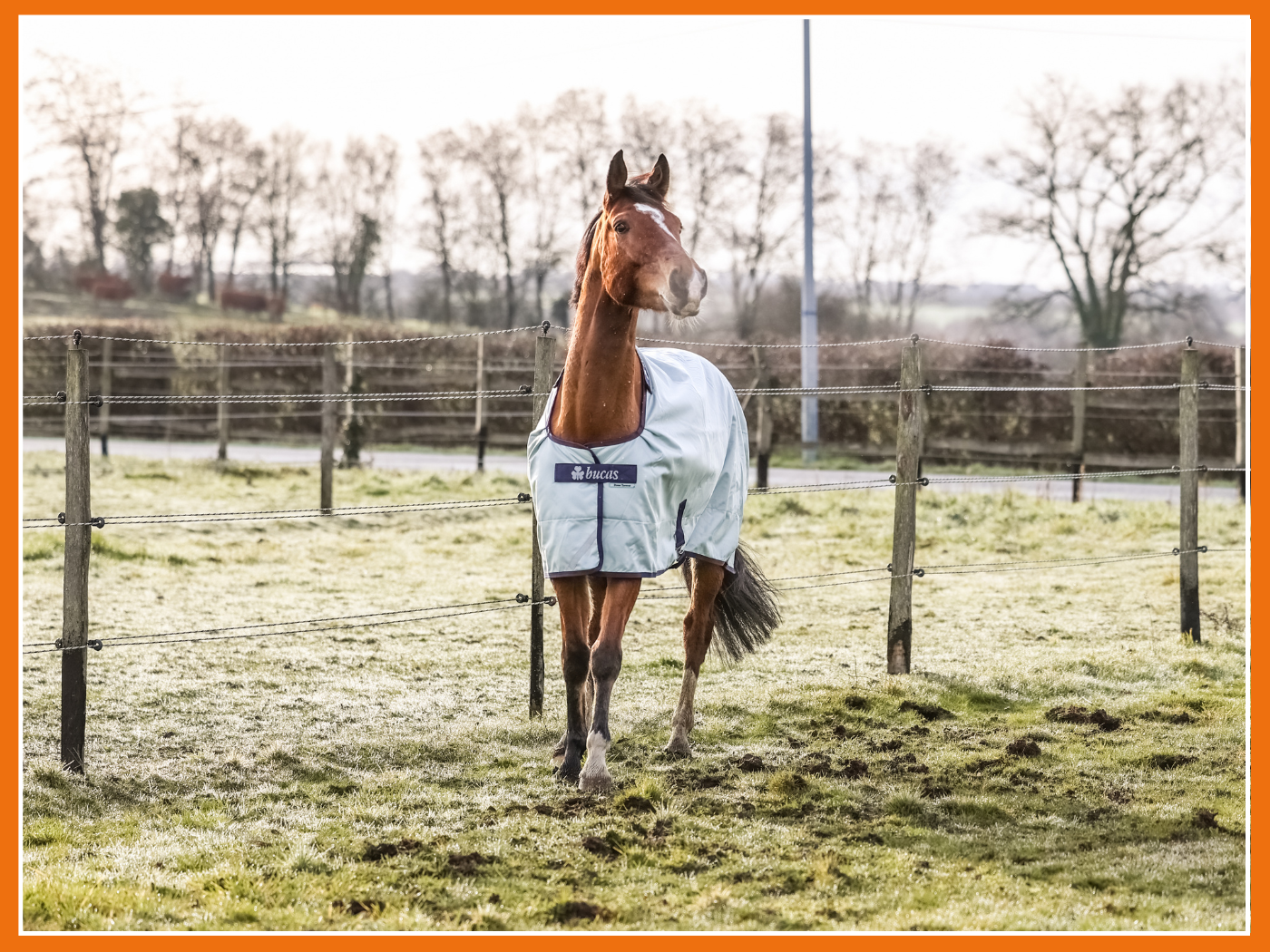
This article introduces the Bucas brand and its range of horse rugs, with a focus on two flagship collections: the Power Turnout, ideal for optimal protection in all weather, and the Bucas Big Neck...


