




MY HORSE HAS LAMINITIS – HOW TO MANAGE IT ❓
Laminitis is one of the most feared conditions in horses. It causes painful inflammation of the laminae (the layered tissue) inside the hoof, between the hoof wall and the third phalanx. In severe cases, it can lead to rotation or sinking of this bone, and according to the IFCE it is the second leading cause of mortality in horses after colic.
Most often dietary in origin, this condition requires constant vigilance and careful veterinary monitoring. Good day-to-day management is therefore essential.
⚠️ Important: Laminitis is a medical emergency. If you suspect it, call your vet immediately. The products featured in this article are supportive solutions, not substitutes for veterinary care.
Understanding equine laminitis
What is laminitis?
Laminitis (or founder) is an acute inflammatory congestion of the hoof. The laminae, which act as an attachment system between the hoof wall and the bone, become inflamed and weakened. This breakdown can cause the third phalanx to rotate or sink, and in the most severe cases it may penetrate through the sole.
What causes laminitis?
Several factors can trigger a laminitis episode:
- Excess rich grass in spring or autumn — the most common cause.
- A diet too high in carbohydrates and fast-release sugars (raiding the grain store, sudden turnout on rich pasture).
- Equine metabolic syndrome (EMS) or insulin resistance.
- Cushing's disease (pituitary dysfunction), especially in horses over 15 years old.
- A systemic infection (pneumonia, severe diarrhoea, metritis/post-partum complications).
- Excessive work on hard ground or mechanical overloading of a limb.
- Prolonged use of corticosteroids.
What are the signs of laminitis?
Your horse may be showing signs of laminitis if you notice:
- A characteristic pain-relief posture: the front legs are stretched forward as the horse shifts its weight onto its hindquarters to relieve its painful feet.
- Excessive heat in the hooves and a bounding digital pulse.
- A reluctance to move, sudden and severe lameness.
- Irregular growth rings on the hoof wall (a sign of chronic laminitis).
- Frequent recumbency (horse lying down).
Our recommended products to support a horse with laminitis
🌿 Preventing laminitis with grazing muzzles
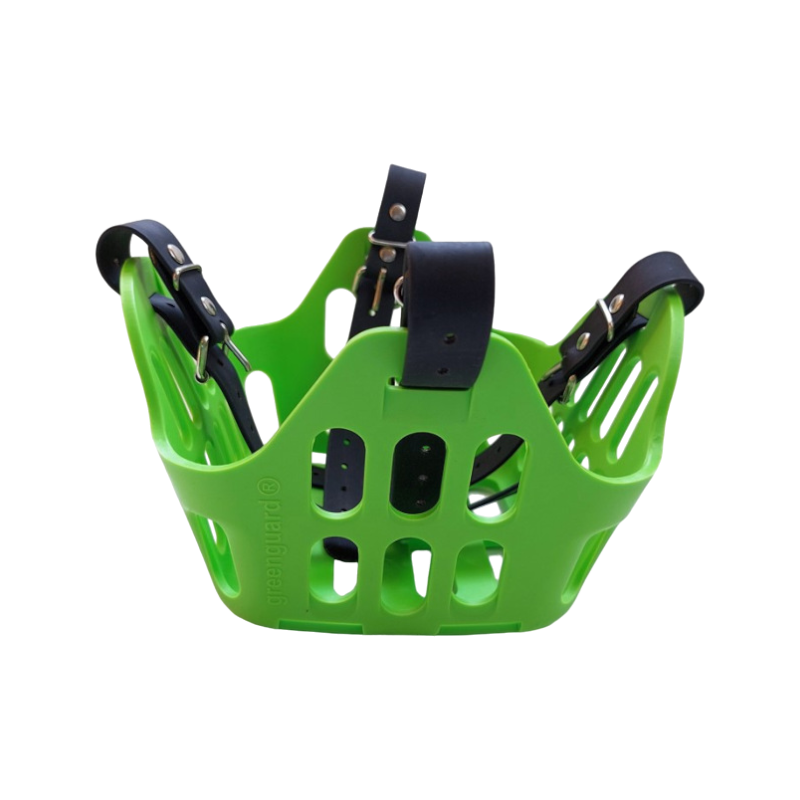
Managing diet is key to reducing the risk. Among the most effective solutions, the grazing muzzle has become an essential tool in preventing this condition.
Why use a grazing muzzle to prevent laminitis?
The muzzle allows you to:
- Reduce grass intake without keeping the horse out of the field
- Limit blood sugar spikes, which trigger laminitis episodes
- Maintain natural movement, essential for wellbeing
How does a grazing muzzle work?
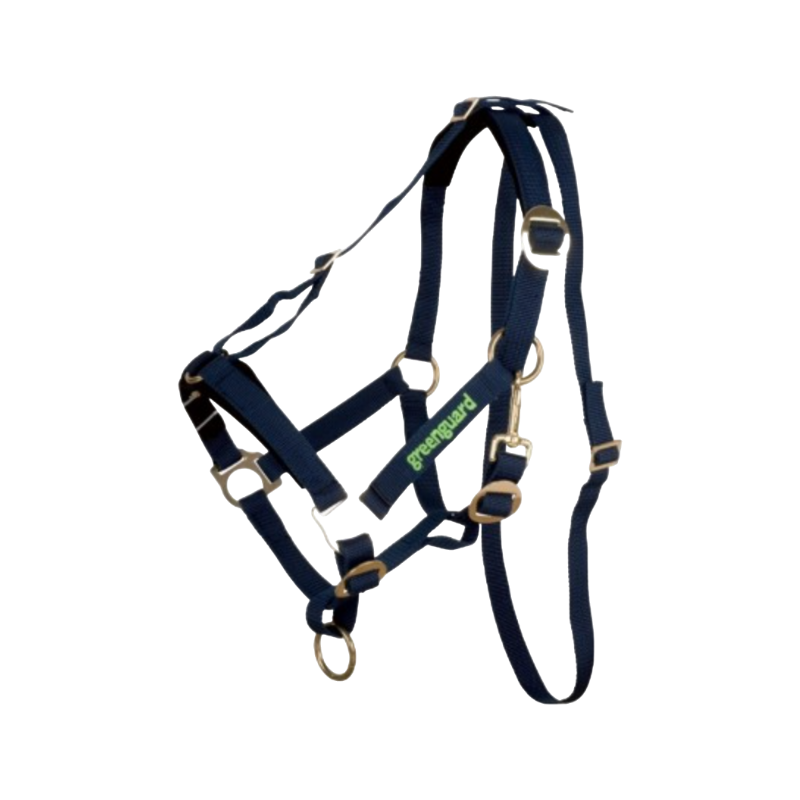
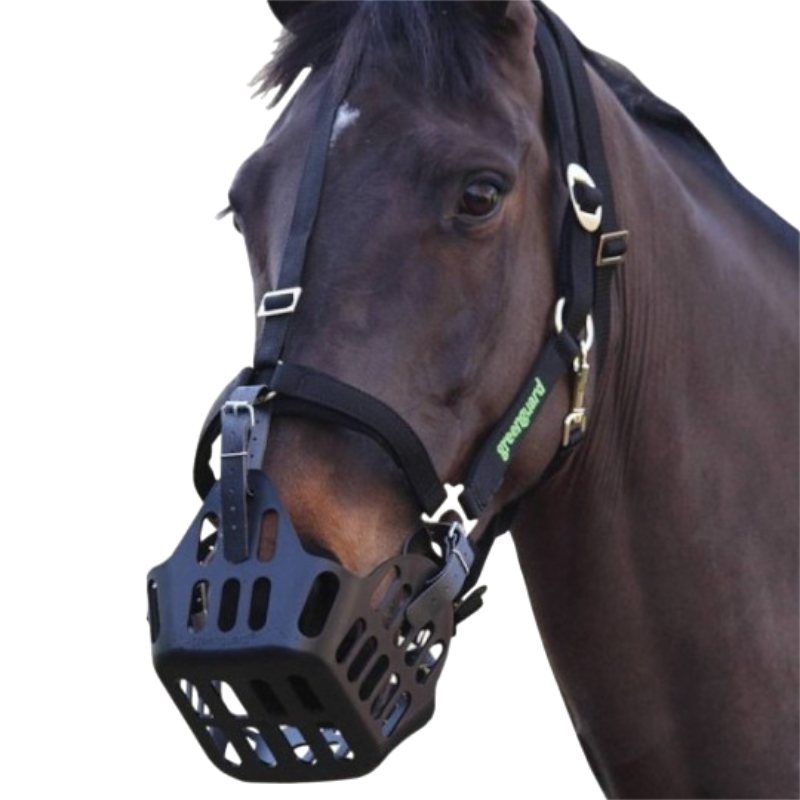
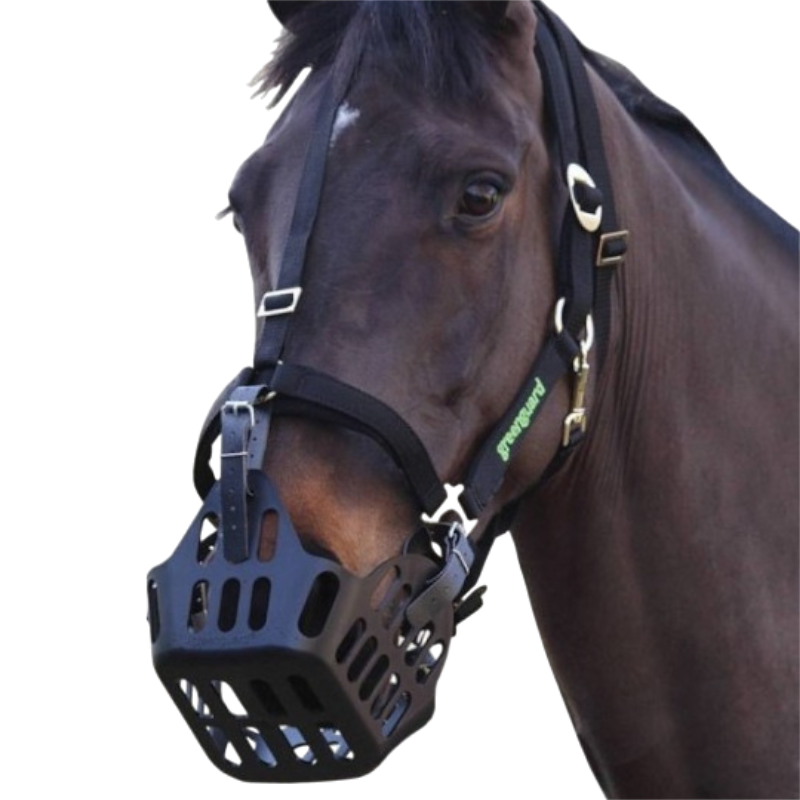
The principle is simple: the muzzle attaches to the horse's headcollar and has a small opening underneath. The horse can still graze, but only in limited amounts.
This system allows:
- Slower grass intake
- A significant reduction in calorie intake
- Better weight management
Using a grazing muzzle correctly: best practices
To ensure the muzzle is effective and comfortable, a few guidelines should be followed:
1. Choose the right size
A poorly fitted muzzle can cause rubbing or be ineffective. It should sit securely without putting pressure on the nose.
2. Introduce the muzzle gradually
Some horses may be unsettled at first. A gradual introduction helps avoid stress.
3. Monitor hydration and general condition
The horse must be able to drink freely. Check regularly for any signs of rubbing or injury.
4. Adjust wearing time
The muzzle doesn't need to be worn 24/7. Ideally, use it during the times of day when the grass is richest.
In summary: A grazing muzzle is a simple, effective, and animal-welfare-friendly solution to reduce the risk of laminitis. By controlling grass intake while allowing the horse to live out in the field, it has become a key tool in preventing this condition. Used correctly, it can make all the difference to your horse's health, especially during high-risk periods.
Supplements for your horse during laminitis:
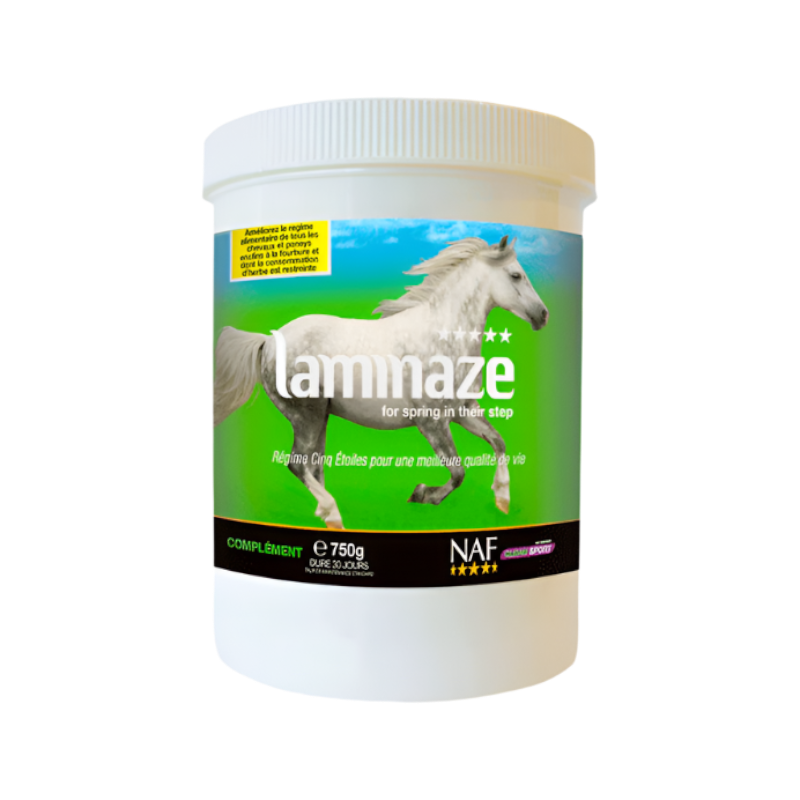
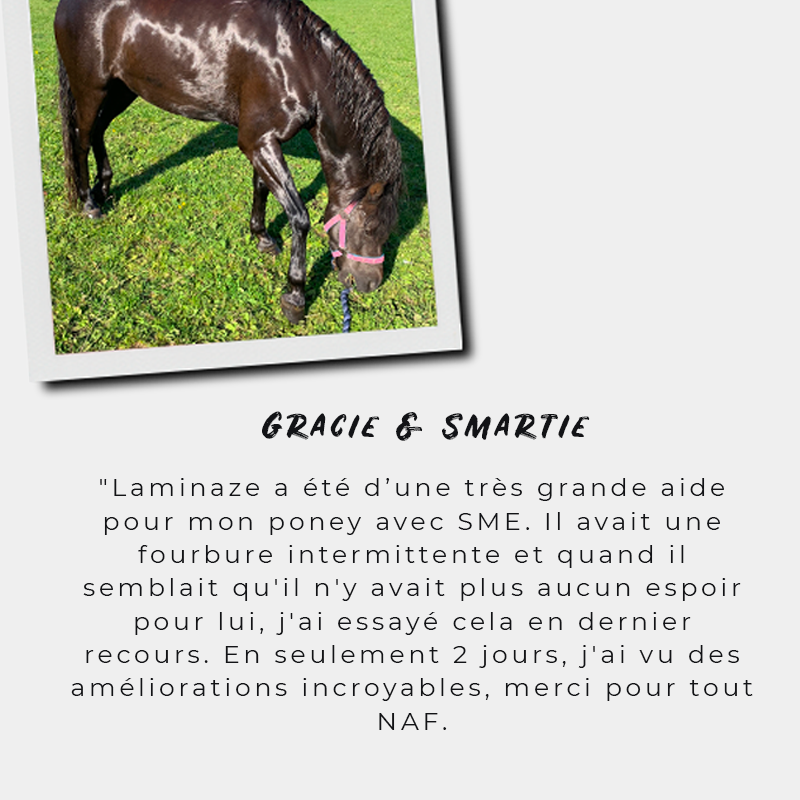
🌿 NAF – Laminaze: the ultimate anti-laminitis supplement
NAF Laminaze is our top pick for horses prone to laminitis. This supplement combines:
- A blend of natural antioxidants to protect the tissues of the hoof
- Bioavailable sulphur, essential for hoof quality
- Targeted nutrients to support overall hoof health
💡 OHLALA Tip: We recommend starting the Laminaze course at the end of winter, before the new spring grass arrives — which is often the trigger for seasonal episodes.
🦶 Hilton Herbs – NAV X Gold: for healthy blood circulation
Hilton Herbs NAV X Gold is an herbal supplement that works directly on blood circulation in the feet. Good microcirculation in the hoof is indeed essential to prevent and reduce laminitis episodes.
💡 OHLALA Tip: Give this supplement to your horse throughout high-risk periods for ongoing, preventive support.
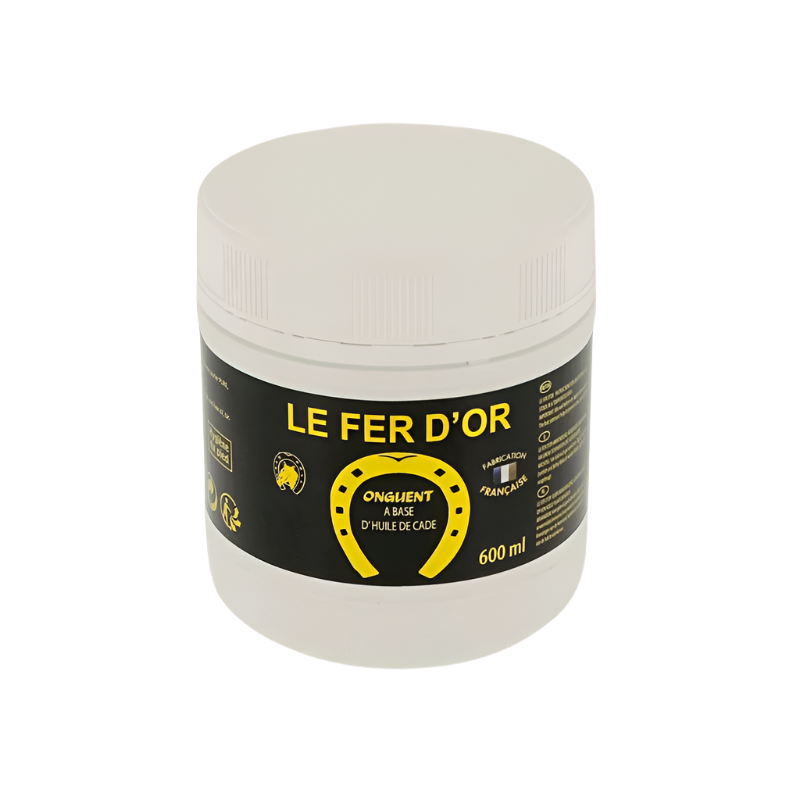
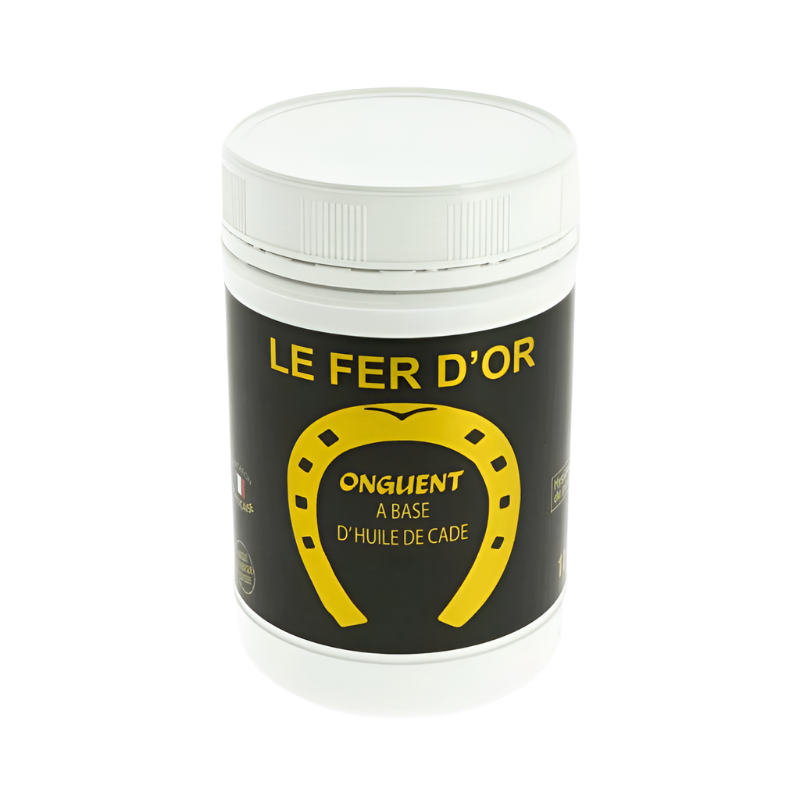
🪣 Onguent du Maréchal with cade oil: natural hoof protection
The Onguent du Maréchal with cade oil is the go-to product among farriers for laminitis issues. This hoof care treatment offers a dual action:
- Cade tar waterproofs the hoof wall and sole, protecting the hoof in wet conditions
- Cade oil actively fights thrush, which is common in horses prone to laminitis
💡 OHLALA Tip: Apply this ointment regularly to the sole and frog, especially during wet seasons when hooves are most vulnerable.
Preventing laminitis: good daily practices
Prevention is always the best medicine. Here are the golden rules to protect your horse:
- Control access to rich pasture, especially in spring and autumn
- Choose a balanced diet low in sugar and starch
- Ensure regular farrier visits (trimming and shoeing)
- Monitor your horse's weight and avoid obesity
- Consult your vet to screen for any underlying metabolic conditions
- Adapt physical work to your horse's fitness and health condition
In summary: laminitis is a serious condition that above all requires veterinary care. But with the right supplements and careful dietary management, you can significantly improve your horse's quality of life. The OHLALA Team is here to help you choose the products best suited to your horse's situation. Take good care of him! 🧡
FAQ – Frequently asked questions about equine laminitis
How long does a laminitis episode last?
The duration of an episode varies depending on severity. A mild case can resolve within a few days with appropriate rest and treatment. In chronic cases, management may extend over several weeks or even require long-term care.
Can a horse with laminitis still be worked?
During an acute episode, strict rest is essential. Once the episode has passed and with your vet's approval, a gradual return to work on soft ground is generally possible. Every case is different.
What should a horse with laminitis be fed?
A horse with laminitis should be fed a diet low in soluble sugars and starch. Good-quality, low-calorie hay is the ideal base. Access to rich pasture must be strictly controlled.
Are hoof boots useful for a horse with laminitis?
Yes! Hoof boots can help relieve pain by providing cushioning and sole support. They may be recommended by your farrier or vet as part of the treatment plan.
Related products
You already have variants in your wishlist.
You already have variants in your wishlist.
You already have variants in your wishlist.

You already have variants in your wishlist.
You already have variants in your wishlist.
You might also enjoy these articles

A full locker clear-out: starting fresh so you never lose anything again Has your headcollar been missing for 3 weeks and the mane brush made itself at home in the medicine box? Time for a pr...

Finding riding breeches that truly fit your body can sometimes feel like a challenge. Kingsland Equestrian offers a real solution with its H.A.X Shape Breeches programme: three distinct fits — H, A...


